
Milliput: A Must-Have Material for Animators
When it comes to stop motion animation, finding materials that are strong, adaptable, and easy to work with is key. One of the most versatile and reliable products used by animators around the world is Milliput. A two-part epoxy putty that has been a staple in modelmaking, sculpture, and prop creation for decades.
It’s versatility means that whether you’re building intricate puppet armatures, repairing set pieces, or crafting detailed props, Milliput is a true all-rounder that deserves a place in every animator’s toolkit.
What Is Milliput?
Milliput is a two-part epoxy putty that, once kneaded together, becomes a smooth, pliable material you can shape, sculpt, and detail with ease. After curing, it hardens into a rock-solid form that can be sanded, drilled, painted, and polished. It’s these properties that make it perfect for the kind of precision and durability needed in a stop motion production.
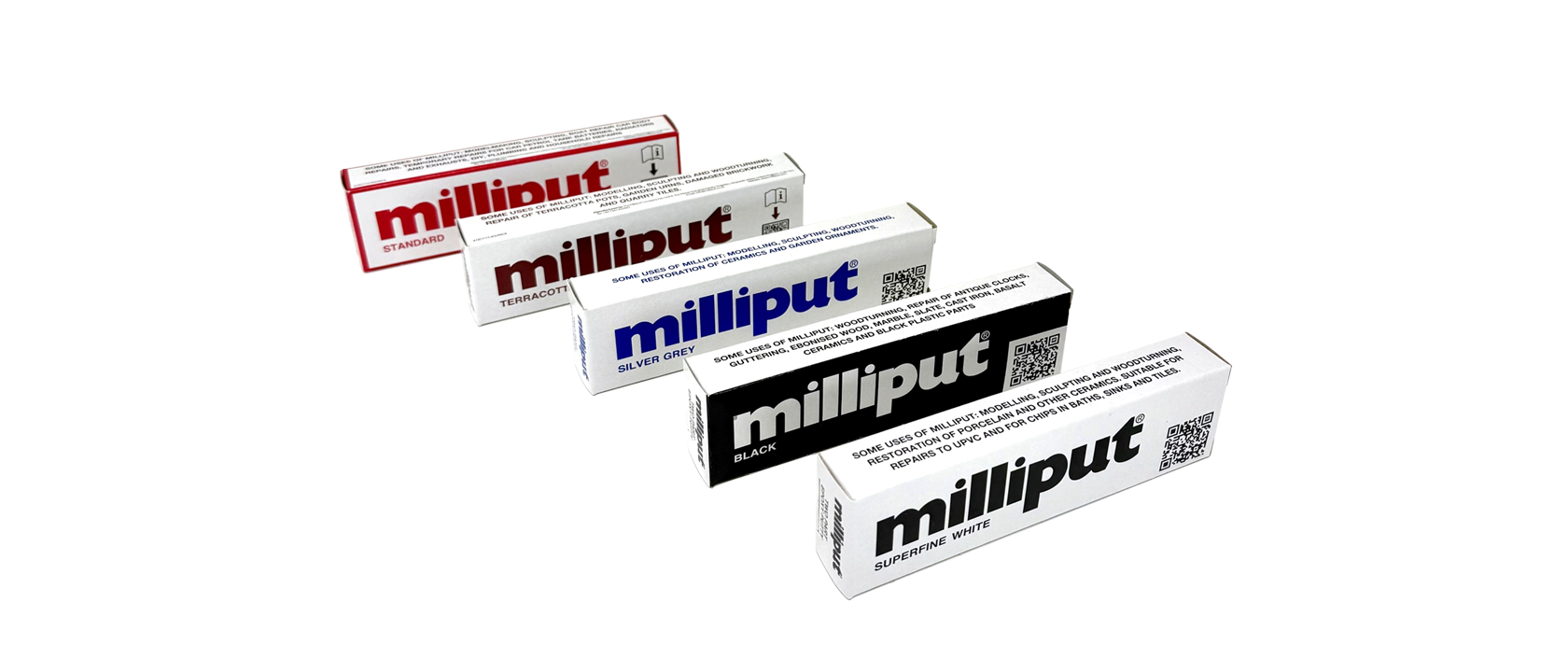
It’s available in several grades, including Standard Yellow-Grey, Superfine White, Silver Grey, and Black, each suited to different applications and finishes.
How Stop Motion Animators Use Milliput
1. Building and Repairing Puppets
Milliput is often used to sculpt puppet heads, hands, and small details that need to be strong yet lightweight. It’s especially useful when combined with armatures. It's suitable for building directly onto wire or ball joint armatures for permanent, durable results.
If a puppet’s limb, joint, or facial feature breaks during filming, Milliput can be quickly used for on-set repairs, as it bonds securely to metal, resin, or plastic surfaces.
2. Prop Making and Set Detailing
Because it can be smoothed before curing, Milliput is perfect for fine detailing work. Think miniature furniture, textured walls, or organic surfaces like rocks and tree bark. Once cured, props made with Milliput can withstand repeated handling without fear of altering their appearance.
3. Anchoring and Reinforcement
When working with threaded or magnetic tie-down systems, Milliput can help reinforce areas where screws, rods, or magnets are fixed into place. It cures rigid, so it’s ideal for creating a firm connection point on the underside of sets or puppets.
4. Texture and Finishing
Milliput’s thixotropic nature, meaning it becomes softer when worked and firmer when left alone, allows animators to create realistic skin textures, wrinkles, and fine patterns. Once hardened, it can be sanded and painted, offering a professional finish suitable for close-up shots.
Tips for Working with Milliput in Animation
-
Mix thoroughly until you achieve a consistent colour. This ensures an even cure.
-
Keep your tools damp to prevent sticking while sculpting.
-
Allow 3–4 hours curing time, or speed it up with gentle heat.
-
Prime before painting for the best results.
-
Store unused portions in a sealed bag to maintain freshness.
Why Animators Love Milliput
Milliput’s combination of workability and strength makes it one of the few materials that can handle the rigours of stop motion production. It’s equally suited to professional studios and home animators working on smaller projects. From custom armature parts to highly detailed props, Milliput delivers reliability where it matters most, frame by frame.
Get Started with Milliput
At Animation Supplies, we stock a range of Milliput epoxy putties, including the popular Standard Yellow-Grey which is perfect for general-purpose animation use. Explore our full range here and discover why Milliput is the animator’s secret weapon.

Share:
Stop Motion Lens Flicker
What is an Armature?