

Aardman’s recent comments about exploring the use of Artificial Intelligence (AI) in future productions has promoted debate across the animation industry. For a studio so closely associated with handcrafted storytelling, physical puppets, and Stop Motion Animation, the idea of AI naturally raises questions. Undoubtedly there will be concerns among animators and fans alike.
What could AI actually mean for stop motion animation? And does it signal a threat to the craft, or simply the next evolution of the tools animators use? When the first Toy Story film was released in 1995 concerns were raised about the future of Stop Motion. The technique survived and has arguably shrived since then, but will it survive AI?
Aardman isn’t just any studio. As the creators of Wallace & Gromit, Shaun the Sheep, and countless iconic stop motion productions, their approach often sets the tone for the wider industry. When Aardman talks about AI, it’s not about replacing animators but about understanding how emerging technology could support creativity rather than undermine it.
Much like the introduction of digital cameras, stop motion specific software, advanced rig removal and 3D printing, AI may simply become another tool in the animator’s kit.
One of the most discussed possibilities is AI-assisted tweening. In CGI and 2D animation, tweening (generating in-between frames between key frames) has long been supported by software. Stop motion, however, has always been different. Every frame is physically created by an animator moving a puppet by hand.
In theory, AI could potentially analyse and understand things like:
-
Puppet position
-
Armature articulation
-
Camera moves
-
Lighting effects
It's quite possible than AI tools could generate digital in-between frames based on real stop motion keyframes. It is did, imagine how much more efficient frame-by-frame animation would become.
This idea raises an interesting possibility that Animators pose puppets for the key frames and AI generates the in-betweens digitally. This wouldn’t replace the animator’s performance or intent but would simply reduce the number of physical frames required.
In this scenario, crucially, the animator would still be in control. AI would not decide performances, acting choices, or storytelling. Those decisions would still come from the animator posing the puppet, setting timing, and crafting the motion. AI would simply be a tool used to speed up production.
This would become an extension on how many stop motion studios already blend physical animation with digital workflows, especially in post-production.
Another likely application of AI is planning and pre-production, rather than animation itself. Animatics could quickly and easily be created. Directors could produce visuals to guide animators almost instantly. Camera moves could also be tested virtually. The possibilities are endless and for animators, this could mean fewer retakes, less trial-and-error, and more time spent on performance and character.
Despite the headlines, we do not believe that AI signals the end of stop motion. In fact, stop motion’s biggest strength, its tactile, imperfect, handmade quality is something AI cannot currently replicate easily. AI is incredible, but audiences can feel the difference. In much the same way that Chicken Run was criticised for being too perfect by eliminating fingerprints and tiny inconsistencies, AI we believe, will struggle to recreate real-world inaccuracies that are part of what makes stop motion special.
Just as CGI hasn't replaced Stop Motion, AI is unlikely to either.
Instead, we may see:
-
Hybrid workflows combining physical animation and AI assistance
-
Faster production pipelines
-
New creative possibilities for independent animators
-
Greater accessibility for students and small studios
Aardman’s interest in AI should be seen as curiosity, not capitulation. The studio has always evolved while protecting the heart of stop motion, storytelling, character, and craftsmanship. AI, when used responsibly, could simply help animators do what they already do best, more efficiently.
Stop motion has survived and arguably thrived through every technological shift so far. There’s every reason to believe it will continue to do so in the age of AI.
The future of stop motion isn’t about choosing between hands or machines. It’s about finding the right balance. Using technology to support creativity, while keeping the animator firmly at the centre of the process. Let's hope that with Aardman the soul of stop motion will continue to be in safe hands.
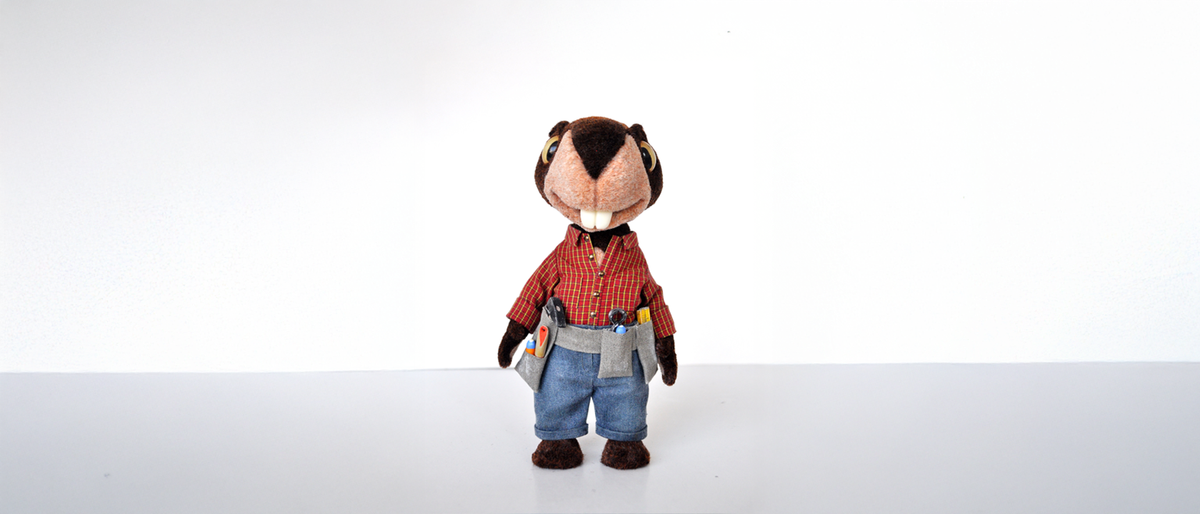
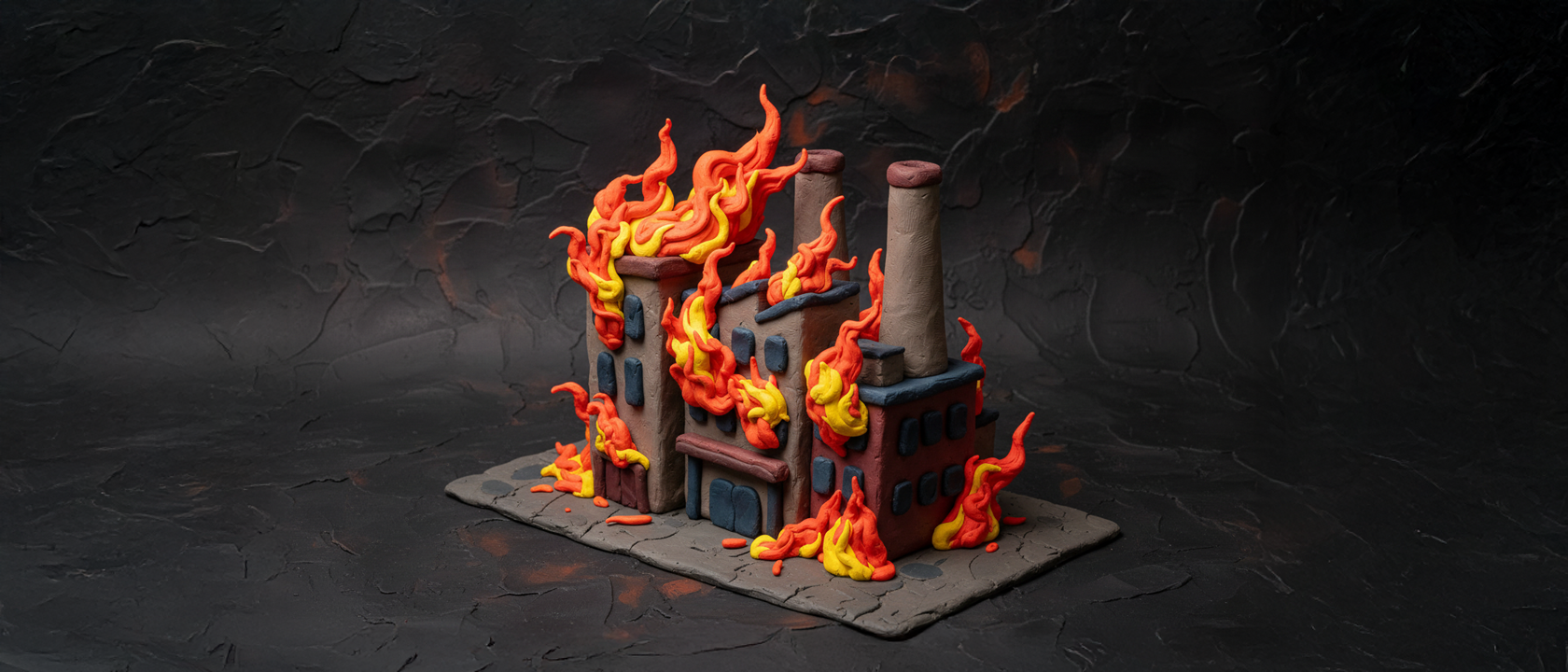
Having not tested AI video generation previously, Animation Supplies produced an AI image for this blog and the following video using a real plasticine model as a reference for both. The concept was having a plasticine character explaining AI in a digital world. The results are incredible, but it's not stop motion. See what you think:

Share:
Stop Motion Pro Eclipse Only £10
V&A - Inside Aardman