
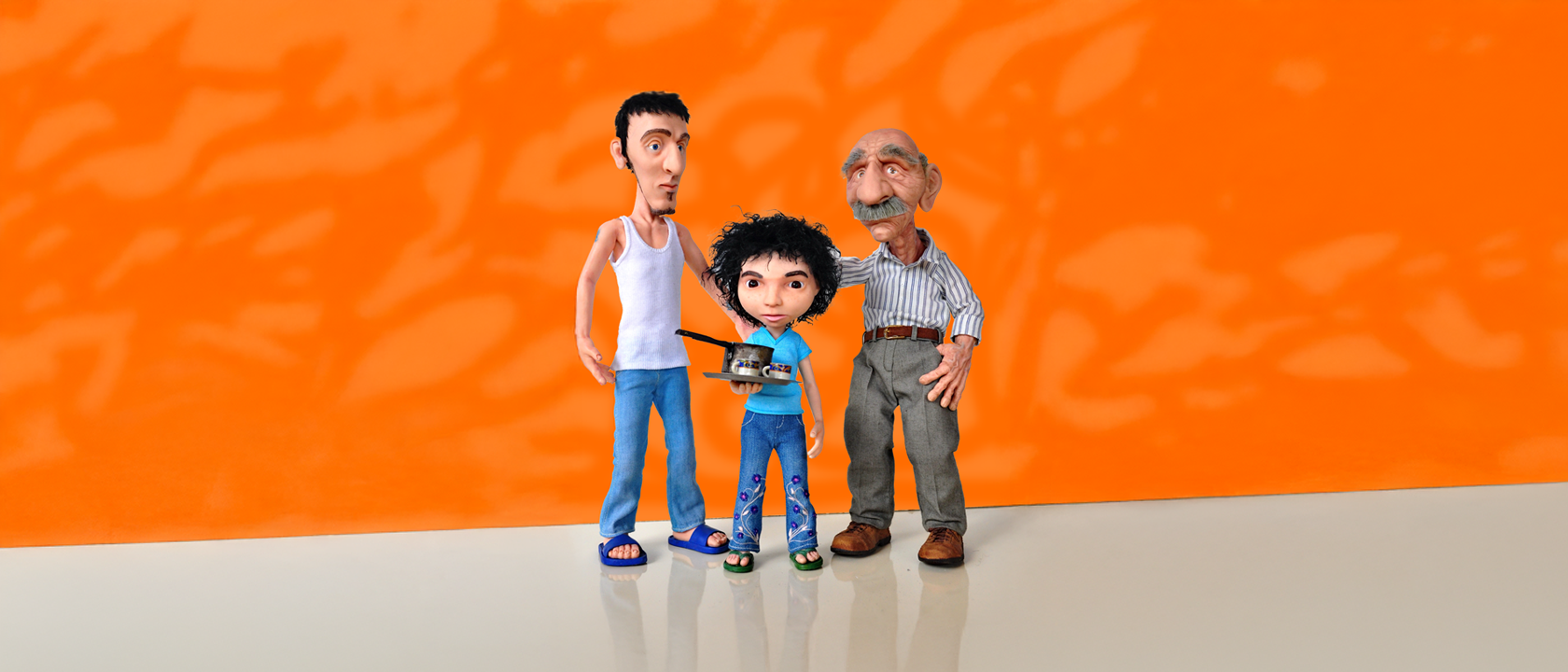
Creating a Silicone Puppet for Stop Motion Animation
Silicone puppets are widely used in professional stop motion animation because they offer durability, flexibility, and realistic surface detail. From subtle facial expressions to smooth body movement, silicone allows animators to achieve natural, expressive performances frame by frame.
Here’s a simple overview of how a silicone stop motion puppet is typically created.
1. Design and Armature
Every puppet starts with a design. Character drawings help determine proportions, expressions, and very importantly movement requirements.
Inside the puppet sits an armature, which is essentially a ball and socket joint skeleton. It's the armature that allows the character to hold poses and dictates what movements the puppet will be able to make.
Silicon puppets almost always feature armatures made from ball-and-socket joints. Whilst twisted aluminium wire armatures are also an option, being less robust they are seldom used. If you are taking the time and expense of creating a silicone puppet, having a strong reliable armature is by far the best way to go.
2. Sculpting the Original Model
Next, the character is sculpted at full size using Chroma Clay, which is perfect for this. This sculpt defines much of the final look of the puppet, including facial features and proportions. It might also define things like clothing textures, although clothing and other details like hair might be created separately, as they have been in the examples shown.
Precision is key at this stage, as any detail sculpted here will be replicated in silicone.
3. Mould Making
Once the sculpt is approved, a mould is created around it. This is usually done in two or more parts using plaster or silicone mould materials.
The original clay sculpt is removed from the mould, leaving a negative cavity that will be used to cast the final puppet skin.
4. Casting in Silicone
Silicone rubber is mixed and poured into the mould. In many cases, the armature is suspended inside the mould before pouring so that the silicone cures around it.
After curing, the mould is opened and the silicone skin is revealed. Excess material is trimmed away, and seams are carefully cleaned up.
5. Painting and Finishing
Silicone can be intrinsically coloured (pigment mixed in before casting) or painted after curing using silicone-compatible paints. Fine details like freckles, veins, or shading add realism.
Hair, fabric costumes, and replacement facial parts may be added depending on the production style.
Why Use Silicone for Stop Motion?
Silicone offers several advantages:
-
Flexible yet durable for repeated animation
-
Realistic skin texture and movement
-
Resistant to cracking compared to latex
-
Long-lasting under studio lights
For professional stop motion productions, silicone puppets provide consistent performance across long shoots.

Creating a silicone puppet is a detailed and time-intensive process, but the results can elevate the quality of your stop motion animation dramatically. With a well-built armature and carefully cast silicone skin, animators can achieve smooth movement, subtle expression, and professional-level results.


Share:
Cracking Good News!
Feature Film Scriptwriter