
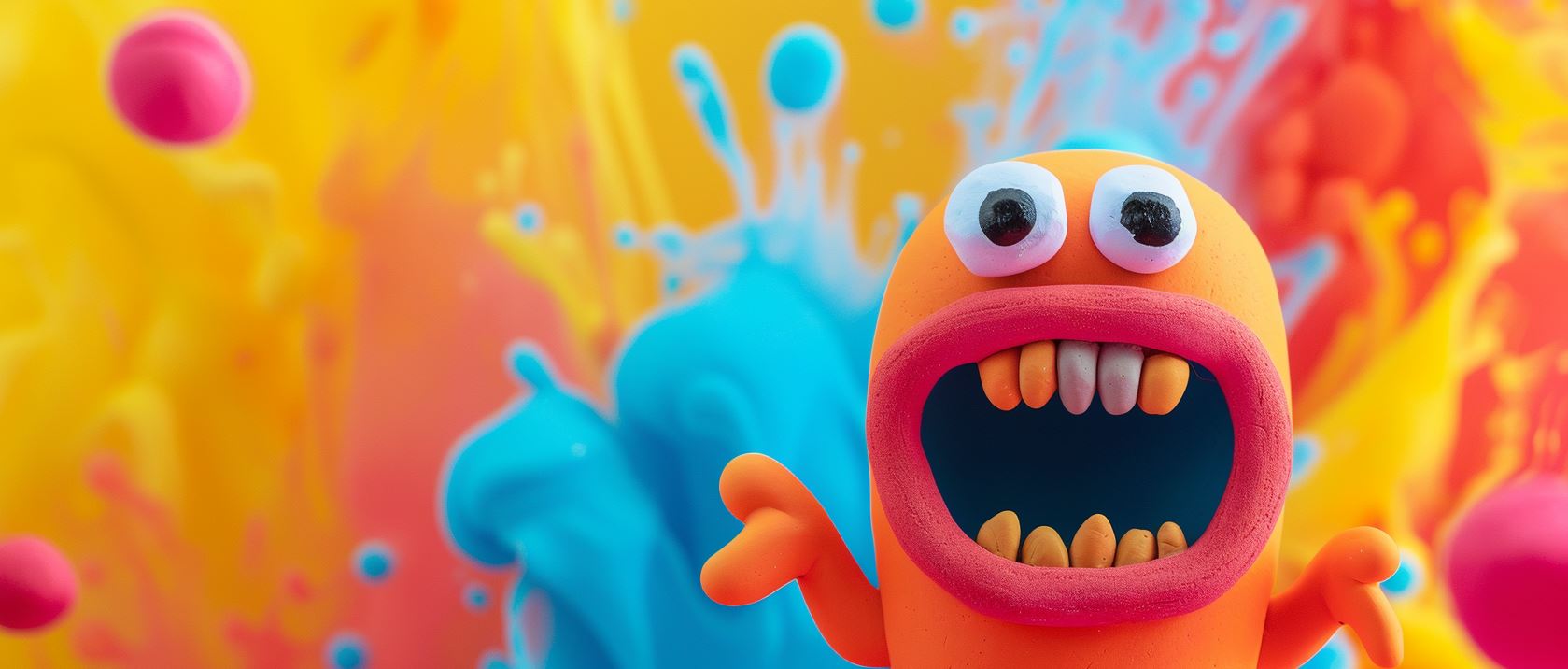
Plasticine animation is wonderful but also extremely difficult to master. Squash and stretch is an integral technique for cartoon characters, giving personality and dynamism. Is it something that can be used in plasticine stop motion animation, however? Here at Animation Supplies, we delve into the realm of squash and stretch and how it can be used in plasticine animation.
Squash and stretch is an integral technique for cartoon characters, giving personality and dynamism. Is it something that can be used in plasticine stop motion animation, however? Here at Animation Supplies, we delve into the realm of squash and stretch and how it can be used in plasticine animation.
Squash and stretch is a fundamental part of cartoon animation, involving the distortion of a character's form to impart weight, flexibility, and emotion to their actions. When a character or object is squashed, it becomes compressed or flattened, while stretching causes elongation or extension. This dynamic interplay mirrors the laws of physics, enhancing the illusion of vitality in the animated world. The same laws which stop motion animators face a continual battle with.
Squash and stretch can serve as a great way of conveying emotions in plasticine animation. Whether it's joy, excitement, fear, or surprise, the exaggeration of features through squash and stretch magnifies the emotional resonance. For instance, when a character bursts into laughter, their features might elongate and stretch, and in moments of fear, their entire figure might compress, conveying a sense of vulnerability.
Squash and stretch also plays a pivotal role in simulating weight and impact. In plasticine animation, consider how objects and characters might react to forces like gravity or collisions. By skillfully applying squash and stretch techniques, animators can emphasive the perception of weight and impact during movements. Think about a character leaping from a great height – they would elongate while descending to emphasize the falling motion, and upon landing, they would compress to accentuate the force of impact.
The true artistry of any animation lies in creating fluid, vibrant motions. In cartoon animation, with the absence of squash and stretch, characters can appear rigid and mechanical. Whilst not as noticeable in stop motion animation, with the integration of squash and stretch, the results can be extraordinary.
Squash and stretch can also contribute to timing and rhythm in animation. For instance, a character might briefly stretch before rapidly compressing into a new pose, fashioning a dynamic flow of motion. This principle ensures animations maintain an engaging pace, preventing monotony from setting in.
Often associated with a playful and exaggerated animation style, squash and stretch grants artists the license to bend reality and explore creative freedom, making the animation visually alluring and enjoyable.
While squash and stretch offer potent tools in the hands of skilled animators, challenges do arise especially in stop motion. Ensuring consistent character design amidst deformations is vital to stave off visual confusion. Additionally, excessive use of squash and stretch can lead to overly comedic or unnatural animations, undermining the credibility of characters.
To integrate squash and stretch into stop motion animation and in particular plasticine animation, the animator has two options. A lot of resculpting or the use of replacements. Whilst a true purest might insist on significantly resculpting, effective results can be achieved by the use of replacements. With meticulous planning, these can be kept to a minimum whilst still achieving striking results.
Without a doubt, squash and stretch remains an essential part of animation, providing animators with of creating alluring characters and captivating visual narratives. Through adept manipulation of shapes and proportions, animators can convey emotions, weight, and orchestrate fluid, engaging movement. The use of squash and stretch is a great addition to the plasticine animators skills.
Share:
Future of Stop Motion
Persistence of Vision